Guarding Their Hearts: How to Help Your Dog Feel Safe
 Sonia Catherall
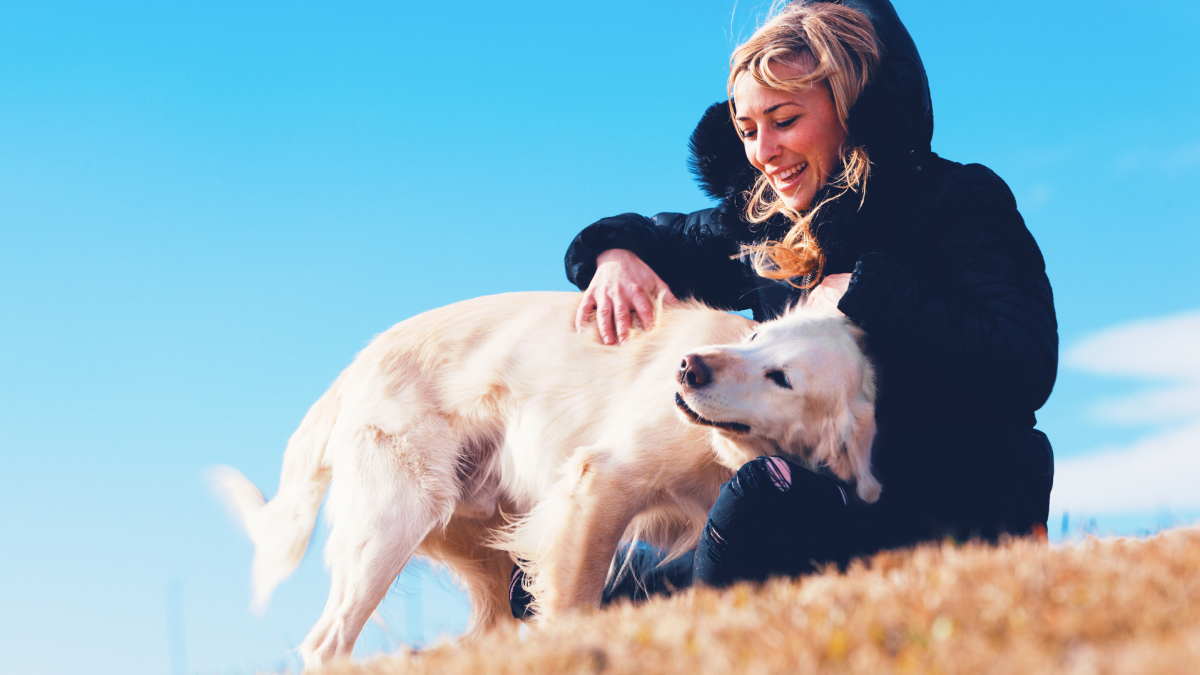
When we share our lives with a dog, their well-being is often at the forefront of our minds. We feed them, groom them, take them on adventures, and shower them with affection, but there is one aspect of their lives that we sometimes overlook – their sense of safety. Just like us, our canine companions need to feel secure and protected. In this blog post, we'll explore why feeling safe is so crucial for our dogs, and how it can profoundly impact their physical and emotional well-being.
Emotional Well-Being for Your Dog
Dogs, much like humans, experience a wide range of emotions, including fear, anxiety, and stress. These emotions evolved as survival strategies millions of years ago and are common to all mammals. To a feral dog or the ancestral wolf, a well-tuned ability to feel fear would keep them safe in a threatening environment.
In our modern world dogs must negotiate many situations they can’t easily understand. Conditions that often feel potentially threatening. We could all rattle off a list that might include things like
- extreme weather,
- heavy traffic,
- large vehicles,
- sudden loud noise,
- strangers, and so on.
But often more subtle things in the dog's environment can also provoke anxiety. In fact, for any individual dog, this might be quite nuanced, like someone picking up a pair of scissors, passing an umbrella in the street, or just being in a specific environment like a car or the vet.
While all dogs can easily bounce back from an occasional scary experience, it’s important that their “world” usually feels safe. Then these negative emotions are significantly reduced. This leads to improved emotional well-being, resulting in our dogs being happier and more contented.
The Dog’s Response - Fear-Based Behaviour
Emotion drives behaviour. So, when a dog feels unsafe or threatened, they often exhibit fear-based behaviours such as withdrawal, excessive barking, growling, or even lunging when on a lead. By creating an environment that feels safer for the dog, we can reduce the emotional triggers for these behaviours and help our dogs feel more relaxed and at ease.
It might help to think of the things that cause fear and anxiety in a dog as individual candles that raise the dog’s emotional ‘temperature’. A candle could be a specific stressful event, physical discomfort, pain, or a difficult social interaction. As each candle is lit, the dog’s emotional response builds until the point where it boils over into a reaction. If we can blow out some of the candles, we can reduce the emotional ‘temperature’ to the point where the dog is able to cope without reacting.
This isn’t always easy to achieve. Some dogs are afraid in a wide range of situations and the more we place them into these situations the worse the behaviour often gets. Often a sensitive dog can end up living in a constant state of stress. But don’t worry, there are many ways that we can help and support our dogs to help them enjoy calmer lives.
One of the most effective is called ACE Free Work. You can find out more about using Free Work to help your dog here. Working with tools like this can lower anxiety levels in dogs and can lead to calmer behaviour overall. Other unwanted behaviours like destructive chewing, excessive digging, or separation anxiety may be reduced. A safe environment sets the stage for a content and happy dog!
Trust and Bonding – Your Relationship with Your Dog
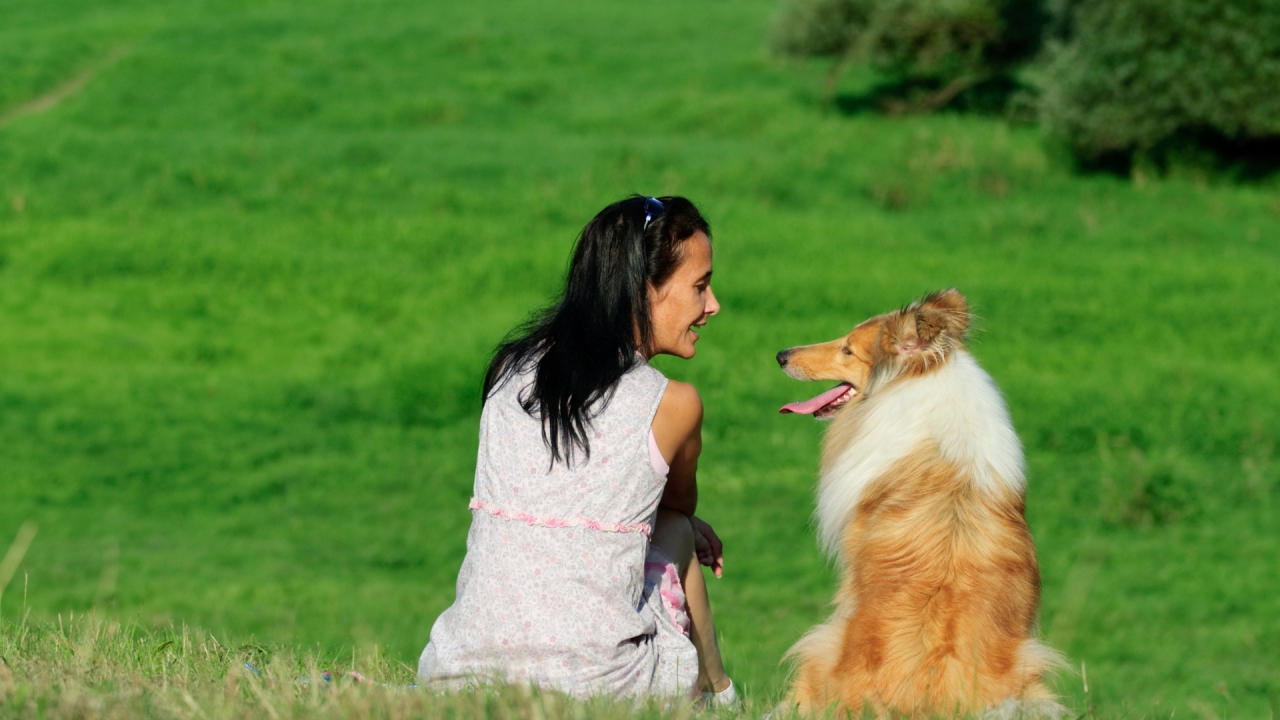
Feeling safe fosters trust between dogs and their guardians. When our canine companions feel secure, they are more likely to trust us, which in turn strengthens the bond between humans and canines.
This trust forms the foundation for effective communication and a deeper connection.
It is likely that the activities you choose to blow out the candles mentioned above will naturally help to build your mutual relationship. This includes things like Pattern Games, ACE Free Work, and Scentwork for Dogs. You can also make use of natural behaviours like licking, sniffing, and chewing, which are hard-wired to calm your dog. Giving them something they enjoy, that also makes them feel good, helps to cement your bond.
Safety First – Essential for Dogs to Learn
Dogs, like humans, learn best in safe and supportive environments. When they feel secure, they can focus their attention on learning and engaging with their surroundings. This is particularly important for training and teaching new behaviours, as the safe space encourages dogs to be receptive and cooperative.
There are two main ways that you can make training more effective and easier for both you and your dog.
- Before you start make sure that both of you are well-rested, physically comfortable (not hungry, thirsty, in pain etc.) and emotionally calm. Tools like Pattern Games or a Licki Mat can be used to calm your dog’s emotional state before you begin.
- Always begin training something new in a calm, quiet, familiar environment (like the home) – and without distractions. Once the training is well established, gradually progress towards using different spaces and more distractions. Only once your dog has fully mastered a skill are they ready to take it out on a walk where there are likely to be unpredictable and ‘threatening’ events.
Keeping your Dog Safe - Physical Safety
Creating a safe environment means protecting our dogs from potential hazards and accidents. This includes:
- securing fences to prevent escapes,
- protecting them from extreme weather,
- removing toxic plants and substances from their reach,
- covering slippery floors to prevent injury,
- removing choking or ingestion hazards,
- keeping them safe and secure when travelling,
- ensuring they have ample space to move around comfortably.
.
Physical safety should also include addressing any signs of pain or ill health. It’s very hard for your dog to feel calm and content when they are experiencing pain. On the flip side of the coin, physical health also reaps the benefits of a safe environment. Reduced stress and anxiety contribute to a stronger immune system, healthier digestion, and better overall health for our dogs.
To wind up, ensuring a dog feels safe is one of the most meaningful ways we can improve their quality of life. It goes beyond providing food, shelter, and affection.
Ensuring that our canine companions feel safe and secure in their environment has a profound impact on their emotional and physical well-being. It builds trust, fosters a deep bond, and sets the stage for a happier, healthier, and more harmonious life for both dogs and their people.